SYMBOLS TO DECIPHER
If the comb as an object carries symbols, its décor is not gratuitous; universal occurrences, such as that of the bird (see our current exhibition) or the deer, leave many questions unanswered.
From the design to the sign, there is only one small step.
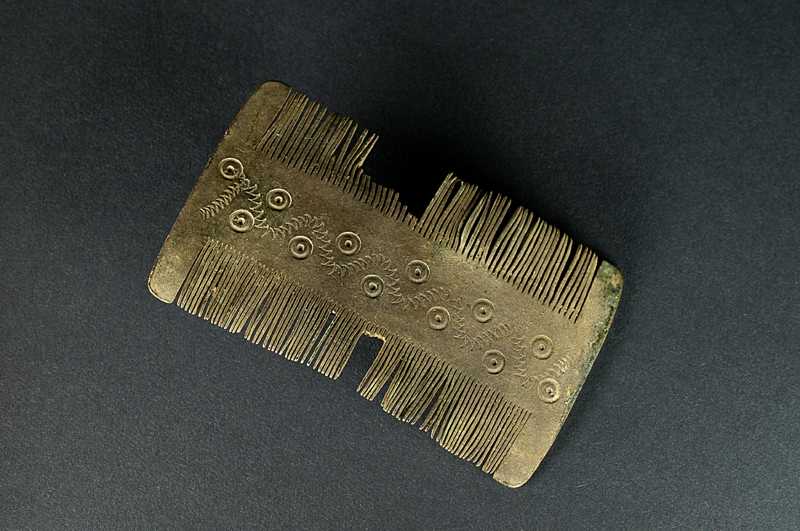
The dot-and-circle motif is one of the oldest and most widely used in history. Its significance varies: it may symbolize the male and female principles, (the point seen as an axis section and the circle as a womb), or as God's eye, or a figure of the sun.
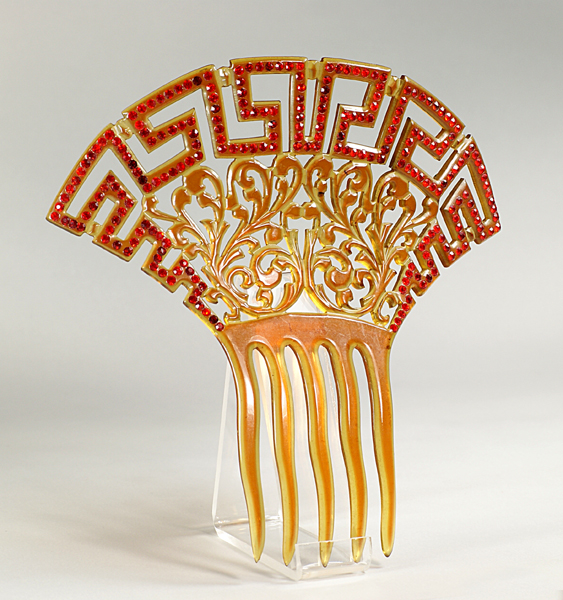
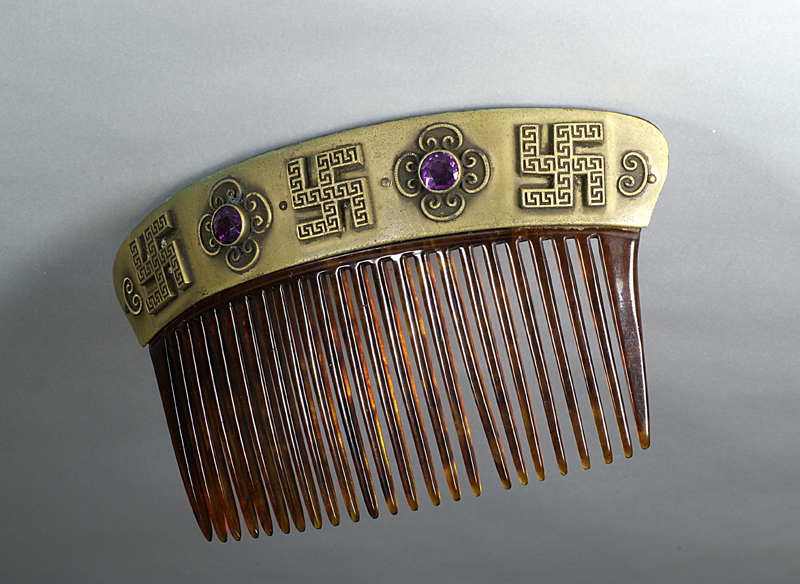
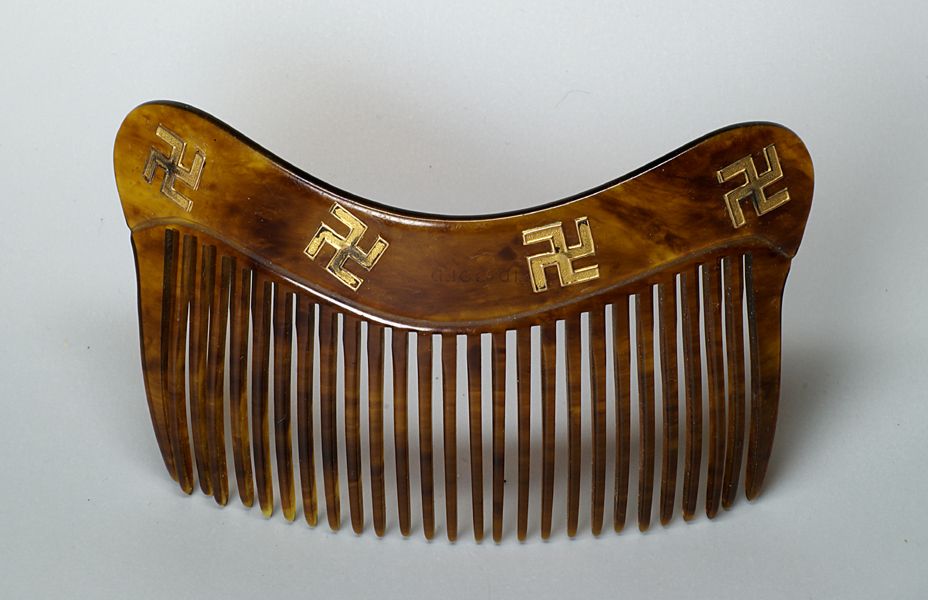
Very old too, the swastika is an Indo-European symbol meaning good fortune (photo 2 - photo 3). In the 1900s, it was used with a certain frequency on European combs.
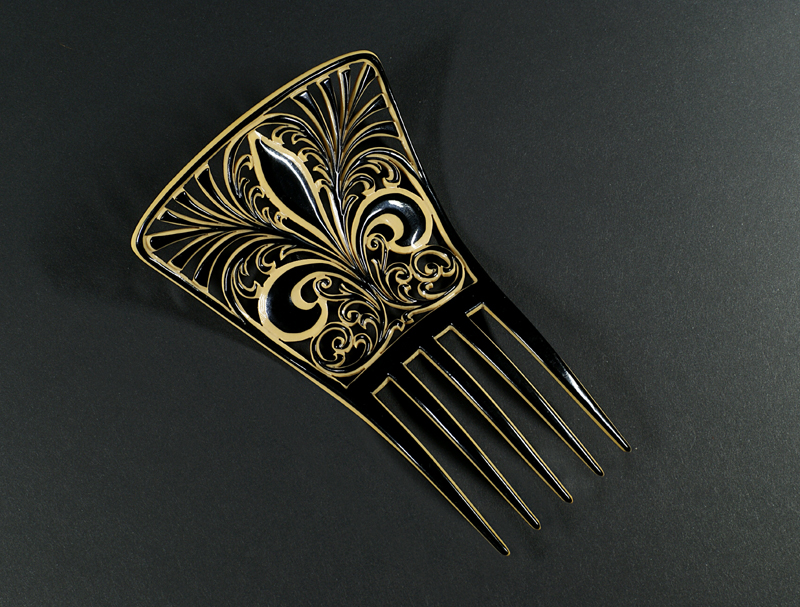
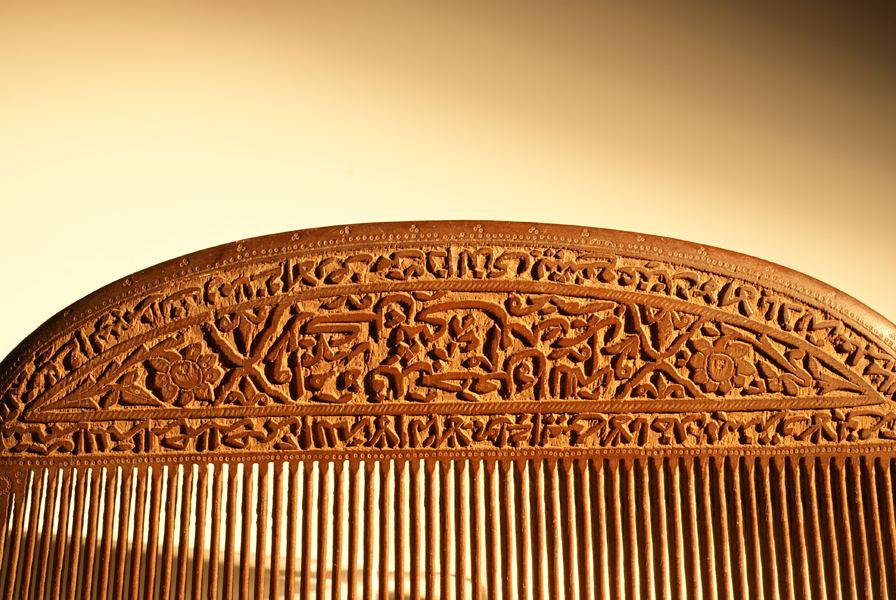
On different pieces we can find the yin/yang sign, the Chinese ideogram of happiness and longevity, the Indian boteh, the fleur de lys or the Western Greek. The verses of the Koran or the Torah, even a love poem in Persian can be the sole décor. One has to go further than a simple glance to truly grasp the object. It requires looking instead of seeing, as well as a pretty good knowledge of the cultural history of peoples.
Hair ornaments are leading us into almost all areas of culture: art, of course, but also history, geography, philosophy, religion ...
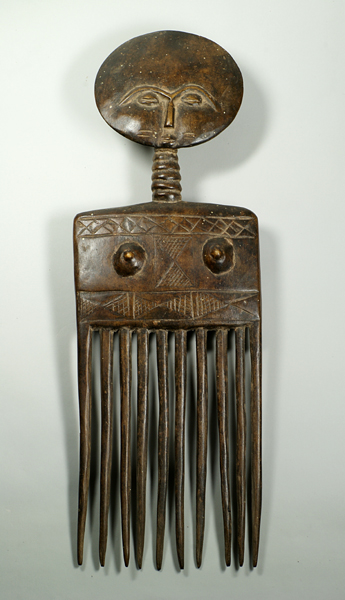
For example, it would be interesting to compare two African ethnic groups like the Akan and the Senufo through the symbols on their combs.
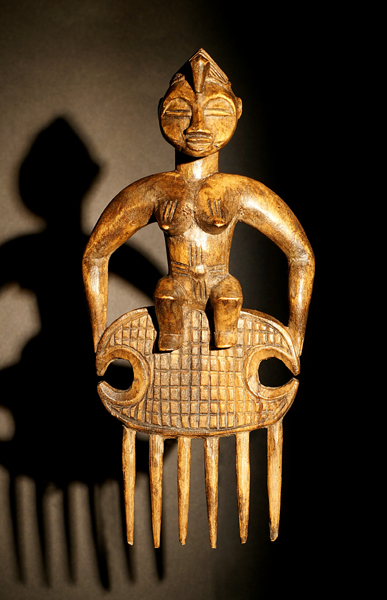
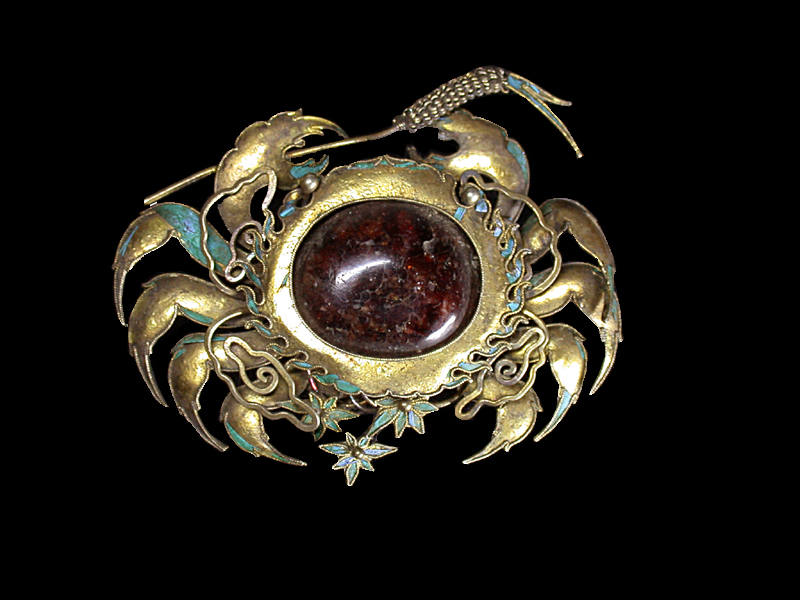
Bat, fish and shellfish frequently feature on Chinese ornaments, as well as the dragon and the phoenix. Idem for the tortoise and the crane in Japan. These could also be an interesting topic of study.
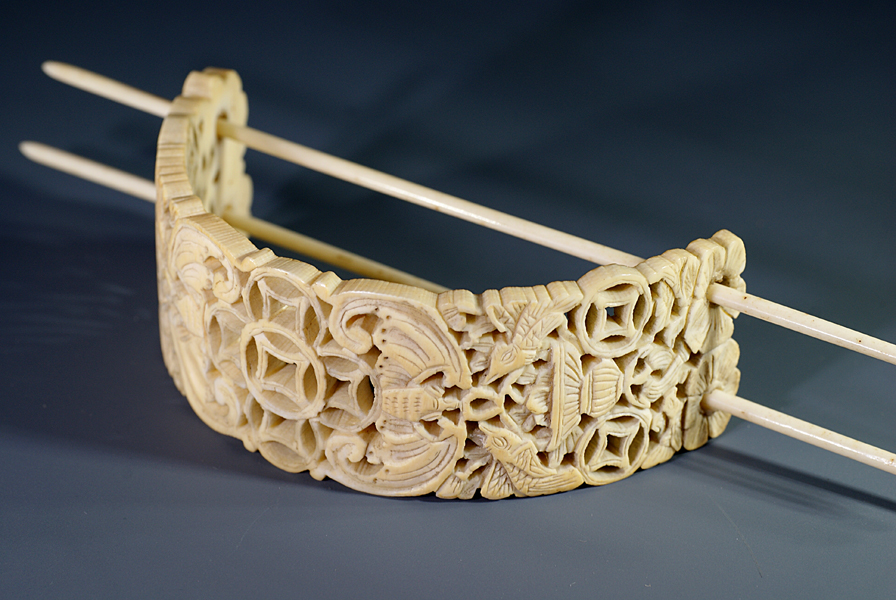
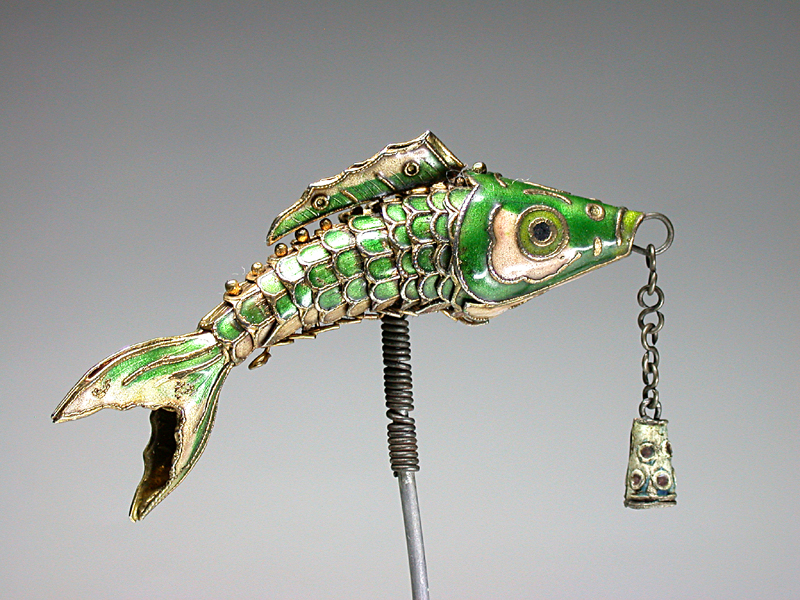
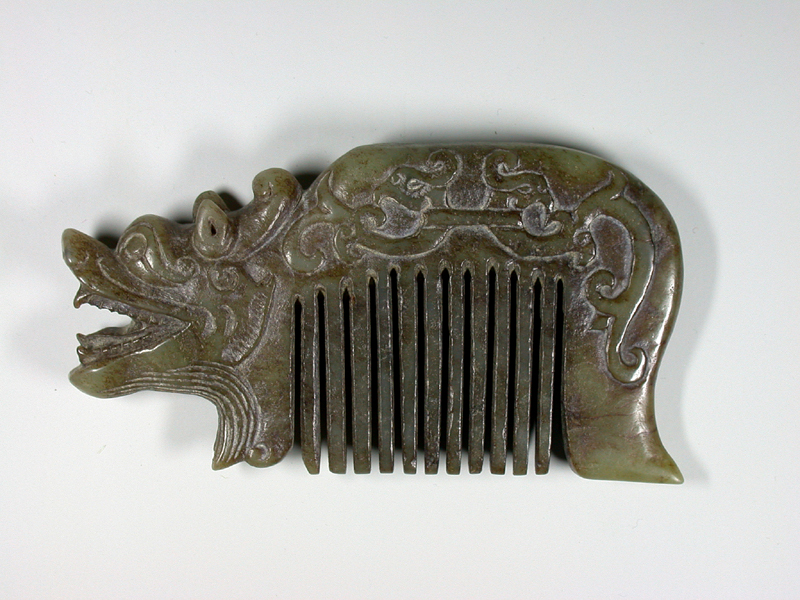
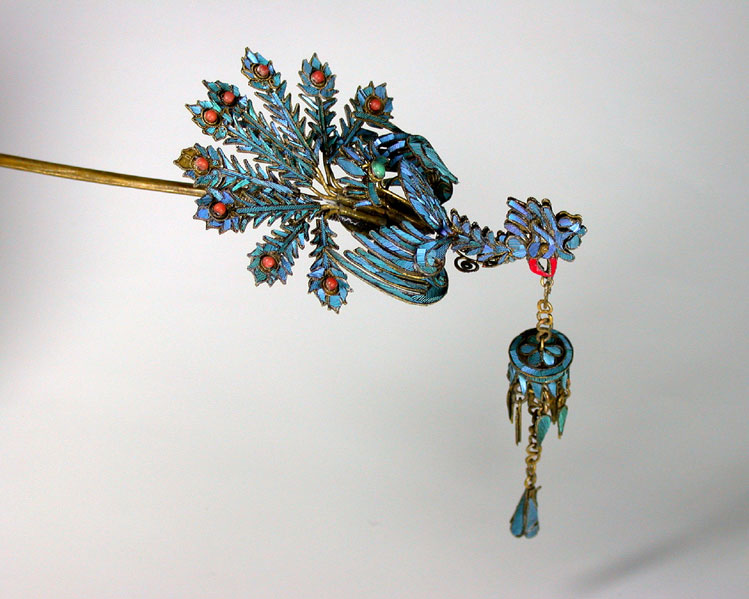
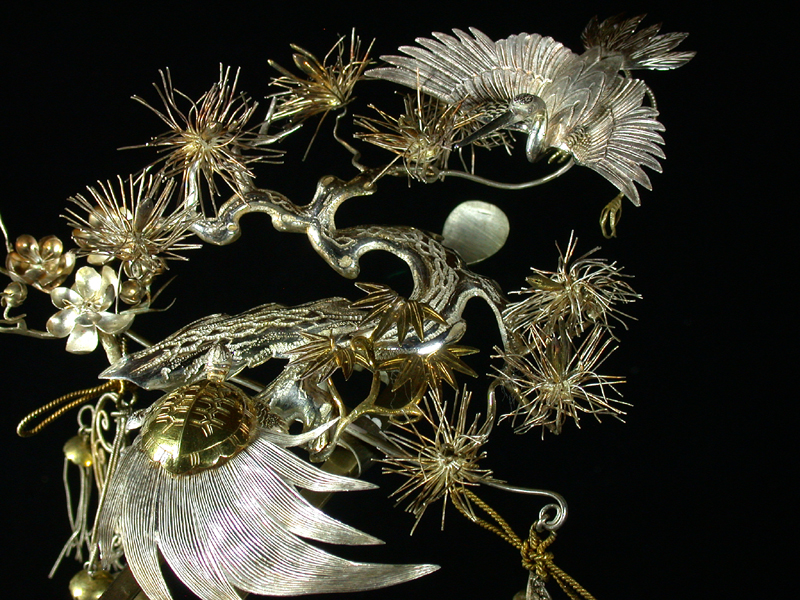
Beyond their appeal, head ornaments send many messages.
The horizon is wide open: almost nothing has been written on this subject.